
Oily Scalp and Hair Thinning: What's Really Happening?

If your hair gets greasy just hours after washing and looks flatter or thinner over time, you’re not alone. Many people assume oily hair is just a cosmetic issue, but in reality, it’s often a sign of scalp imbalance, which can directly contribute to hair thinning. Understanding the root cause is the first step toward healthier, fuller hair.
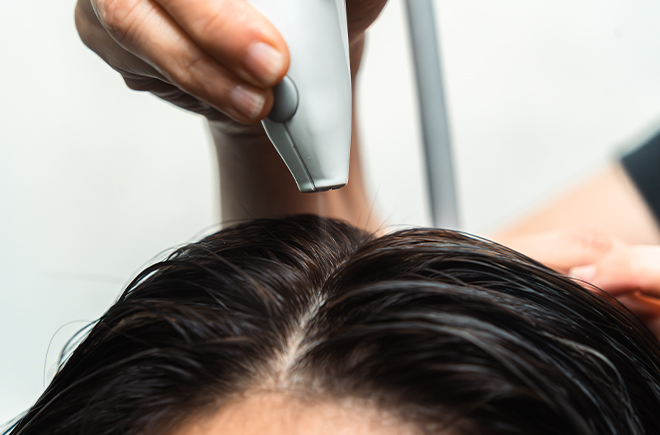
使用ZynStem™生物细胞技术的头皮治疗,手持设备正在进行头发护理,强调非侵入性和促进头发健康。

What Causes an Oily Scalp?

Your scalp naturally produces oil (sebum) to protect and hydrate your hair. However, when this balance is disrupted, oil production can go into overdrive. Some of the triggers that cause the disruption are:
  • Hormonal fluctuations
  • Stress and lifestyle habits
  • Overwashing or harsh shampoos
  • Humid climate
  • Product buildup
Excess oil does not just sit on the scalp’s surface; it can mix with dirt and dead skin cells, clogging hair follicles.

How Oily Scalp Leads to Hair Thinning

When hair follicles become clogged, the scalp’s ability to support healthy hair growth is compromised. This can lead to weaker hair strands and a slower growth cycle. As the cycle slows, hair may appear lifeless and lack volume. Over time, if left untreated, this condition can progress from mild thinning to more noticeable hair loss.

Hair Thinning vs Hair Loss

Many people confuse these two conditions, but they are not the same.
Hair Thininng Hair Loss
Gradual reduction in volume
Noticeable bald patches
Hair still grows, but strands are finer
Hair stops growing in certain areas
Often reversible
May require medical intervention

Early detection is key, especially when thinning is linked to scalp conditions like oil imbalance.
Book your first consultation with DrScalp today.

Book A Consultation

Start your hair recovery journey with a personalised consultation today.

Terms & Conditions

  • Valid for first-time customers or customers who have not visited DrScalp for the past 6 months.
  • Date and Time selections are only tentative, on a first-come-first-serve basis. A member of our team will be in touch with you to confirm your selections or advise an alternative appointment subject to availability.
  • Only valid for Singaporeans, PR, LTVP or Work Pass Holders. Not available for tourists.
  • Valid at all 2 outlets.
  • By submitting this form, you agree to allow AWHL Group of companies to contact you for appointment purposes, promotional purposes and to collect, use, disclose and process all personal data submitted for marketing purposes even if you are registered with the DNC registry, exempting us against any liabilities under PDPA.

Why You Need AI Scalp Analysis

Treating an oily scalp without understanding the root cause is like playing a guessing game. At DrScalp, advanced AI scalp analysis allows our therapists to:
  • Examine oil levels and scalp conditions
  • Detect early signs of thinning
  • Provide an unbiased diagnosis
  • Advised personalised treatment plans

Treatments for Oily Scalp & Hair Thinning

Managing an oily scalp while addressing hair thinning requires a balanced approach that targets both excess sebum and follicle health. Below are the most effective treatment options:
01
Proper Scalp Cleansing
Regular cleansing helps remove excess oil, dirt, and buildup that can clog hair follicles. Using a gentle, sulfate-free shampoo prevents over-stripping the scalp, which can otherwise trigger even more oil production.
02
Scalp Exfoliation
Exfoliating the scalp with ingredients like salicylic acid helps to clear clogged follicles and remove dead skin cells. This creates a cleaner environment for healthier hair growth.
03
Sebum-Regulating Ingredients
Look for products containing ingredients such as niacinamide or tea tree oil, which help balance oil production while keeping the scalp calm and refreshed.
04
Strengthening Hair Care
Hair thinning often accompanies an oily scalp due to weakened follicles. Using lightweight, strengthening formulas can help improve hair resilience without weighing it down.
05
Lifestyle Adjustments
Factors such as stress, diet, and hormonal imbalance can contribute to excess oil production. Managing these can support overall scalp health and improve hair growth conditions.

Professional Scalp Treatments

While home care can help manage surface-level concerns, it may not fully address deep buildup within the hair follicles. Professional scalp treatments are designed to provide a more targeted approach.
These treatments typically focus on:

  • Deep cleansing of clogged follicles
  • Removal of excess sebum and impurities
  • Improving scalp circulation
  • Creating an optimal environment for hair growth
At this stage, targeted solutions such as DrScalp’s specialised scalp treatments can play a key role in restoring scalp balance and supporting healthier, fuller-looking hair over time.

When Should You Seek Help?

While occasional oiliness is common, persistent scalp issues combined with hair thinning may indicate a deeper underlying concern that requires professional attention.

  • Excess oil shortly after washing
    Your scalp becomes greasy within hours, suggesting overactive sebum production or imbalance.

  • Visible hair thinning or reduced volume
    Hair appears flatter, weaker, or lacks its usual density over time.

  • Clogged scalp or buildup
    You experience residue, flakes, or a congested scalp that doesn’t improve with regular washing.
  • Increased hair shedding
    More hair than usual is falling out during washing or brushing.

  • Persistent itchiness or discomfort
    Ongoing irritation may indicate inflammation or scalp sensitivity.
With the right diagnosis and targeted treatment, you can restore balance, strengthen your hair and regain confidence. At DrScalp, we combine technology, expertise and personalised care to help achieve long-term scalp health.

Frequently Asked Questions (FAQ)

An oily scalp can lead to clogged follicles from excess sebum and buildup, disrupting healthy hair growth. At DrScalp, this is a common concern addressed through deep scalp cleansing and targeted care.
Yes. Excess oil can trap dirt and dead skin, leading to clogged follicles and inflammation. Conditions like seborrheic dermatitis may also contribute to increased shedding.
Regular cleansing with a balancing shampoo, avoiding heavy products, and proper scalp care can help. Professional treatments at DrScalp focus on regulating sebum while keeping the scalp healthy.
Washing daily or every other day helps control buildup. Using a gentle shampoo that targets excess sebum while maintaining scalp balance, such as DrScalp shampoos formulated with 5αAVOCUTA®can help regulate oil production without over-drying the scalp.
Yes. Blocked follicles can weaken hair roots, slow growth, and increase hair fall over time.
Often yes. Oily scalps are more prone to dandruff and conditions like seborrheic dermatitis, which can affect scalp health and hair strength.
Yes. Stress can increase oil production and trigger shedding conditions like telogen effluvium.
If oiliness or hair thinning persists despite regular care, it’s best to seek professional assessment. At DrScalp, personalised scalp analysis helps identify the root cause and recommend targeted solutions.